
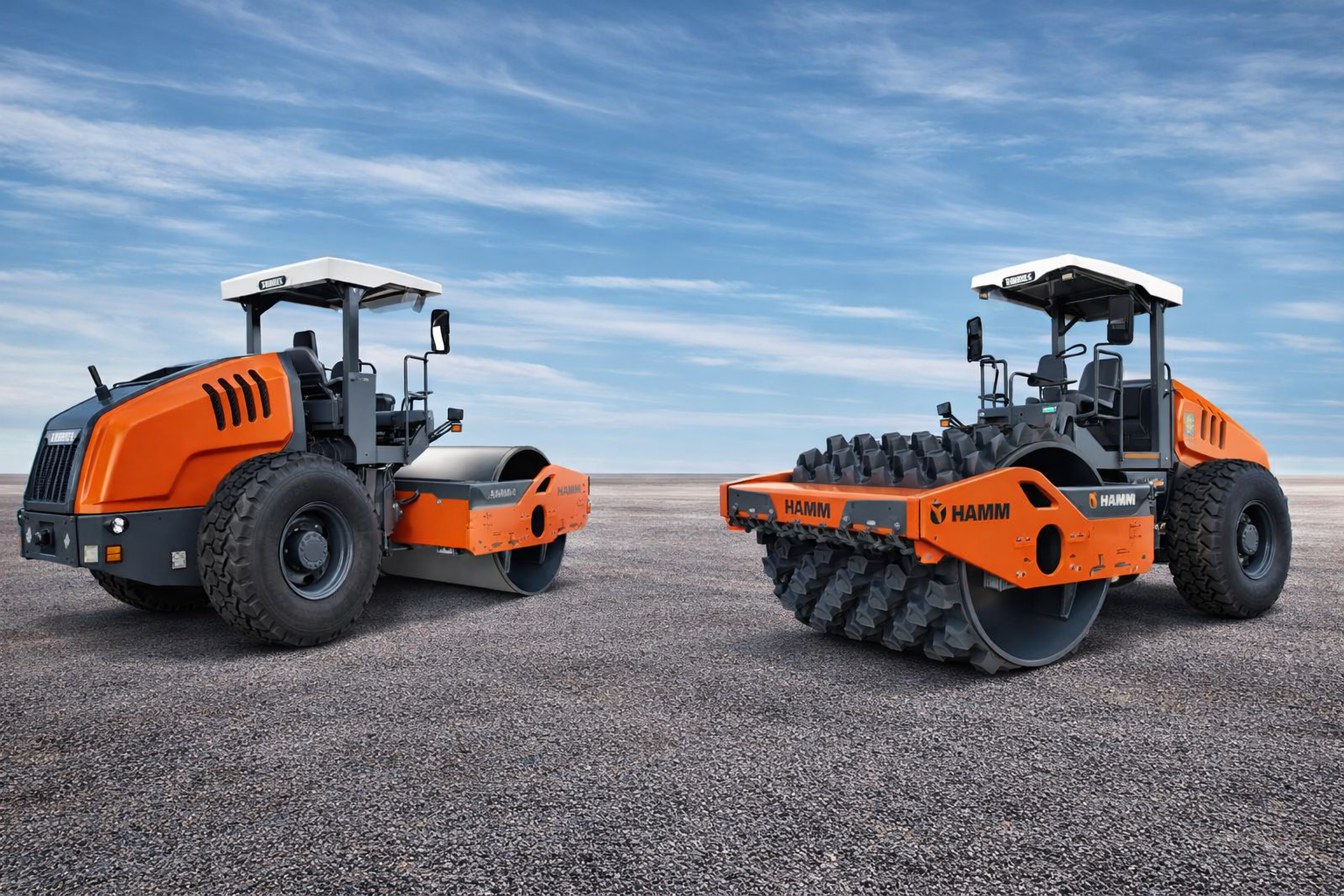
In modern construction, infrastructure development, and road engineering, soil compaction is a critical technical process, not just a preparatory step. The durability of roads, the load-bearing capacity of foundations, and the lifespan of pavements all depend heavily on how well the soil beneath them is compacted. This is where a soil compactor becomes an indispensable machine on any job site.From highways and industrial yards to residential foundations and landscaping projects, the correct soil compactor ensures stability, safety, and long-term performance. This guide explains how soil compactors work, why compaction matters, the different types available, and why HAMM soil compactors are globally trusted for superior compaction results.
What Is a Soil Compactor?
A soil compactor is a construction machine designed to increase soil density by reducing air voids within soil layers. By applying mechanical force through vibration, static weight, or impact the machine rearranges soil particles into a denser, more stable structure.
Proper compaction:
- Improves soil bearing capacity
- Reduces settlement risks
- Minimizes water penetration
- Prevents future cracking or deformation
Without correct compaction, even high-quality construction materials can fail prematurely due to uneven settlement or erosion.
Why Soil Compaction Is Technically Essential
From an engineering perspective, soil compaction directly affects the shear strength and compressibility of the ground. Poorly compacted soil is one of the leading causes of:
- Road surface failures
- Foundation settlement
- Pavement rutting
- Structural cracks
Key technical benefits include:
1. Increased Load-Bearing Capacity
Compacted soil can safely support heavy structures, vehicles, and machinery.
2. Reduced Long-Term Settlement
Proper compaction minimizes future ground movement, especially under repeated loads.
3. Improved Drainage Control
Well-compacted soil limits excessive water infiltration while maintaining structural integrity.
4. Uniform Surface Performance
Essential for asphalt paving, concrete slabs, and industrial flooring.
Main Types of Soil Compactors and Their Applications
Different soil types and project scales require different compaction technologies.
1. Plate Compactors
Best for: Granular soils such as sand and gravel
Used in: Sidewalks, driveways, landscaping
Working principle: High-frequency vibration through a flat steel plate
2. Rammer Compactors (Jumping Jack)
Best for: Cohesive soils like clay and silt
Used in: Trenches, pipelines, confined spaces
Working principle: High-impact force through vertical tamping motion
3. Smooth Drum Rollers
Best for: Large-area compaction
Used in: Roads, highways, parking areas
Working principle: Static weight combined with vibration
4. Sheepsfoot Rollers
Best for: Heavy cohesive soils
Used in: Embankments, dam construction
Working principle: Kneading action using protruding feet
Why HAMM Soil Compactors Lead the Industry
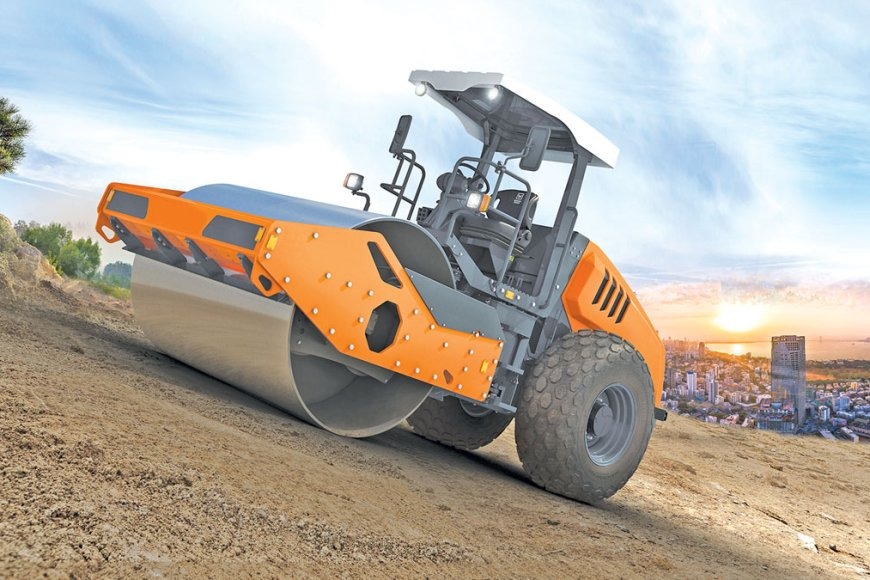
HAMM is globally recognized for its precision engineering, advanced vibration systems, and consistent compaction performance. Manufactured under the Wirtgen Group, HAMM machines are widely used in road construction and infrastructure projects worldwide.
Key Advantages of HAMM Soil Compactors
- Optimized drum design for uniform compaction
- Advanced vibration control for different soil types
- Fuel-efficient engines compliant with global emission norms
- Proven durability in harsh site conditions
Popular HAMM Soil Compactor Models
HAMM HC 119i / HAMM 311D / HAMM 3410 / HAMM 3411 / HAMM 3412 / HAMM 3414 / HAMM 3516 / HAMM 3518 / HAMM 3520
Ideal for medium-scale soil compaction projects. These models offer excellent maneuverability, efficient vibration systems, and precise control.
HAMM 311 Soil Compactors
Widely used in road base and sub-base applications. Known for high compaction depth and consistent performance across mixed soils.
HAMM 3410 Soil Compactors
Designed for heavy-duty infrastructure projects such as highways, industrial zones, and airport runways. These machines deliver high centrifugal force with optimized fuel consumption.
For contractors focusing on productivity, fuel efficiency, and compaction quality, HAMM models provide a clear technical advantage.
How to Choose the Right Soil Compactor
electing the correct soil compactor depends on several engineering and site-specific factors:
✔ Soil Classification
- Granular soils → Vibratory rollers or plate compactors
- Cohesive soils → Rammers or sheepsfoot rollers
✔ Project Scale
- Residential & landscaping → Plate compactors or rammers
- Infrastructure & highways → HAMM smooth drum soil compactors
✔ Compaction Depth Requirement
Higher depth requires greater centrifugal force (measured in kN). HAMM rollers are known for achieving deep, uniform compaction in fewer passes.
✔ Site Accessibility
Confined areas require compact machines, while open sites benefit from high-capacity rollers.Professionals sourcing equipment through ReMach Equipments India often prioritise HAMM compactors due to their reliability, resale value, and global service support.
Key Technical Features to Evaluate
When investing in a soil compactor, consider these performance-critical features:
- Centrifugal Force (kN): Determines compaction depth
- Vibration Frequency: Adjustable frequencies improve efficiency across soil types
- Drum Width: Wider drums increase productivity on large sites
- Engine Reliability: Essential for continuous site operations
- Operator Comfort: Reduces fatigue and improves work accuracy
Construction firms working with ReMach Equipments India often select HAMM machines because these features are engineered for long operating life and minimal downtime.
Major Applications of Soil Compactors
- Road base and sub-base preparation
- Industrial flooring and logistics yards
- Foundation compaction for buildings
- Airport runways and service roads
- Landscaping and paving works
HAMM soil compactors are particularly favoured in road construction due to their ability to deliver consistent density results with fewer passes, improving overall project efficiency.
Soil Compactor Maintenance Best Practices
To maintain compaction efficiency and machine life:
- Check engine oil and hydraulic systems daily
- Inspect drum surfaces for wear
- Clean air filters regularly
- Tighten bolts to prevent vibration-related damage
- Store machines in dry, protected environments
Reliable suppliers such as ReMach Equipments India also guide buyers on maintenance planning and spare part availability, ensuring long-term operational performance.
Final Thoughts: Building Strong Foundations with the Right Soil Compactor
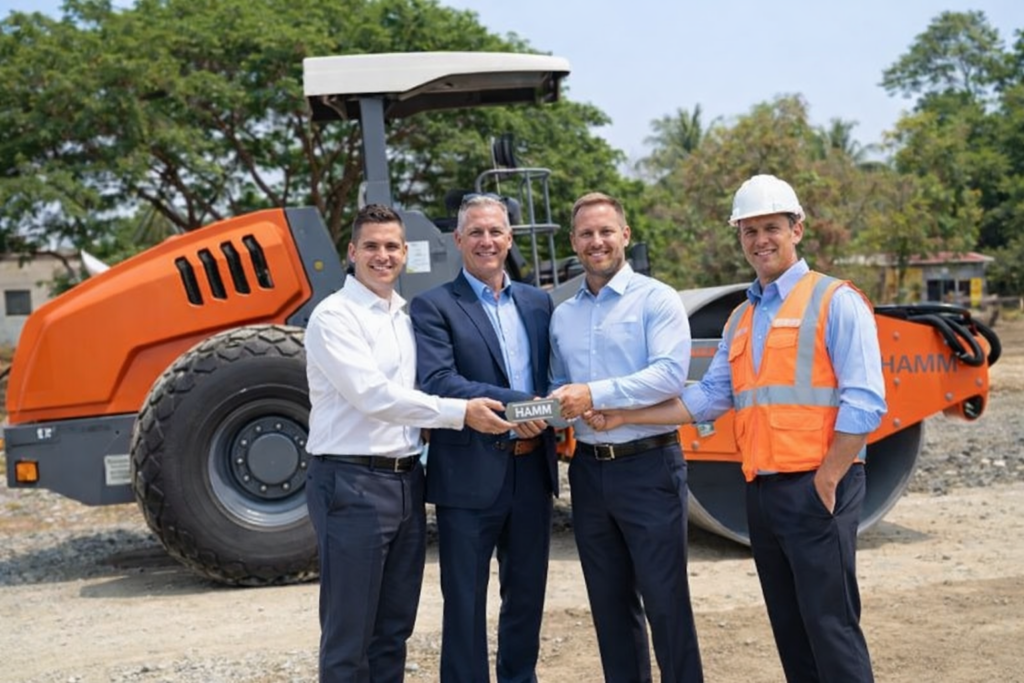
A soil compactor is far more than a supporting machine it is the foundation of construction quality and structural longevity. Choosing the right type, capacity, and brand directly impacts project success, cost control, and safety.With their proven engineering excellence, HAMM soil compactors remain a top choice for contractors involved in road construction and heavy infrastructure. When paired with expert sourcing and export support from ReMach Equipments India, contractors gain access to reliable machines that deliver consistent, high-quality compaction results project after project.
Frequently Asked Questions & Answers
1: What is a soil compactor used for?
A soil compactor is used to increase soil density by removing air voids. It improves load-bearing capacity, prevents future settlement, and ensures long-term stability for roads, foundations, pavements, and infrastructure projects. Proper compaction is essential for safe and durable construction.
2: Which soil compactor is best for road construction?
For road construction, smooth drum vibratory soil compactors are most effective. Brands like HAMM are widely preferred because they deliver deep, uniform compaction with fewer passes, improving productivity and meeting international road standards.
3: How do I choose the right soil compactor for my project?
The right soil compactor depends on soil type, required compaction depth, project size, and site accessibility. Granular soils need vibratory rollers, while cohesive soils require rammers or sheepsfoot rollers. Correct selection ensures efficient performance and reduces operational costs.
4: Why are HAMM soil compactors popular worldwide?
HAMM soil compactors are known for advanced German engineering, reliable vibration systems, fuel efficiency, and consistent compaction quality. Their ability to achieve high soil density with fewer passes makes them ideal for highways, airports, and large-scale infrastructure projects worldwide.
Follow us for the Latest Machinery Updates

Leave a Reply